
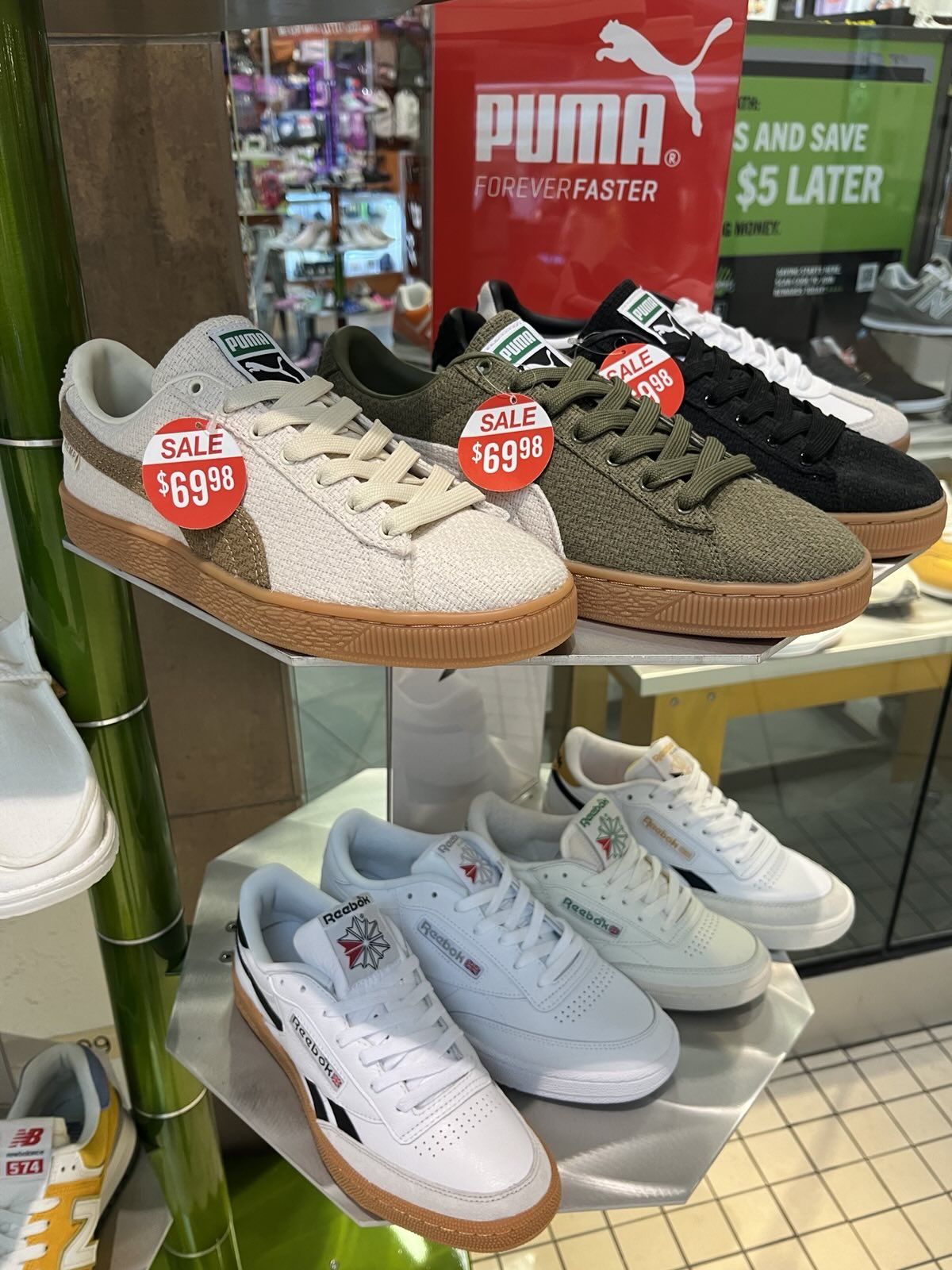
Cannabis-inspired footwear might sound like a gimmick at first glance, but the signals from retail, streetwear and materials markets suggest it’s much more than a blink-and-you’ll-miss-it fad.
Over the last decade, 4/20 drops like Nike SB’s “Skunk,” “Strawberry Cough,” and other weed-wink Dunks have quietly become cult classics in the resale and collector space, showing that cannabis motifs can hold long-term value in sneaker culture rather than just spike around a single holiday.
At the same time, cannabis is no longer sitting on the fringe of lifestyle branding. Fashion-to-cannabis crossovers like Edie Parker’s Flower line and Korean-American label Sundae School’s move from streetwear into THC products show how aesthetics, accessories and cannabis culture now travel together in a single lifestyle lane. Footwear is a natural extension of that lane—another canvas for design, identity and conversation.
The deeper reason cannabis-inspired shoes feel sticky, not short-lived, comes from materials. Hemp, one of cannabis’ most famous cousins, is exploding as a sustainable textile. Grand View Research projects the global hemp fiber market to reach nearly US$2 billion by 2033, with demand driven heavily by textiles and fashion. Other analysts forecast the broader hemp fiber sector growing at double-digit CAGRs through 2030 as brands chase lower-impact fabrics.
Those material shifts sit inside an even larger wave: sustainable and vegan footwear. Market intelligence firms expect the global sustainable footwear category to grow steadily through 2035, with hemp, recycled plastics and bio-based components called out as key ingredients. Vegan footwear overall is projected to climb from the tens of billions of dollars in the mid-2020s to well over US$80 billion by 2033, driven by ethical, animal-free fashion. In other words, hemp uppers, plant-based leathers and cannabis-adjacent branding are not fringe experiments—they’re aligning with where the whole shoe wall is headed.
From a consumer trend standpoint, cannabis-inspired footwear also taps into self-expression. For some shoppers, a hemp logo or subtle leaf graphic is a signal of sustainability; for others, a 420-coded colorway winks at personal identity, music scenes or festival culture. As cannabis legalization expands and public stigma softens, those signals are becoming more socially acceptable in mainstream wardrobes, much like skate shoes and punk-inspired boots did in earlier eras.
That said, not every weed-leaf sneaker is destined for long-term success. Loud, novelty designs tied only to a single 4/20 promo may fade quickly once the social media buzz dies off. The pairs that stick tend to combine three things: credible design, comfortable performance and a story rooted in either sustainability, authentic cannabis culture or both.
Taken together, the data and cultural cues suggest cannabis-inspired footwear isn’t just a short retail and fashion trend. Instead, it appears to be one visible expression of larger, durable shifts: the growth of hemp and bio-based materials, the rise of sustainable and vegan shoe categories, and the normalization of cannabis as a lifestyle marker. For retailers and brands, the real question isn’t whether this trend will vanish—it’s how thoughtfully they can build it into their assortments so it feels less like a gimmick and more like the future.